
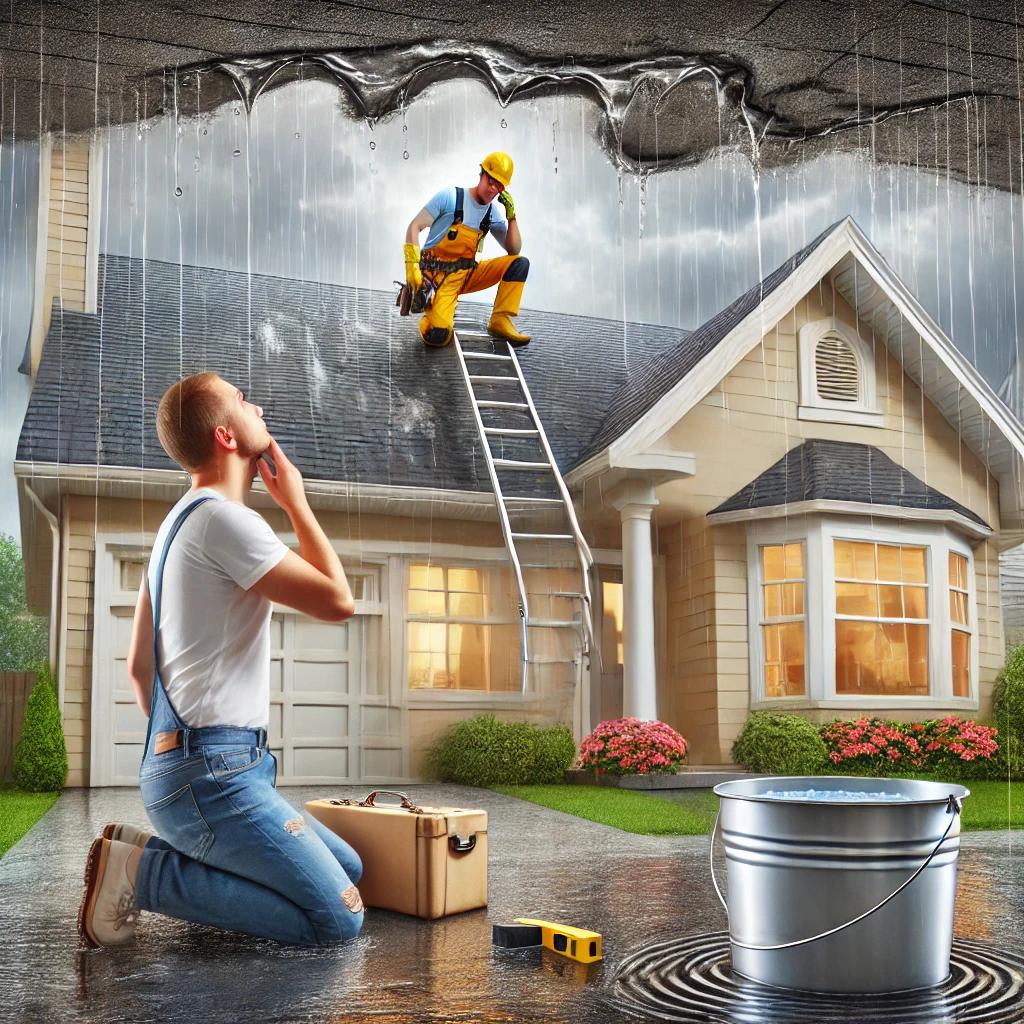
Welcome to an essential guide that provides valuable insights into handling roof leaks effectively. At Roof Rangers, we understand the urgency and importance of addressing roof leaks promptly to prevent further damage. In this comprehensive guide, we’ll outline the do’s and don’ts of dealing with roof leaks, helping you take the right steps to safeguard your home and minimize potential risks.
1. Understanding Roof Leaks
- Early Detection: Learn to identify signs of a roof leak, such as water stains and dampness.
- Causes: Understand common causes of roof leaks, including damaged shingles and flashing.
2. Do’s of Roof Leaks
- Act Promptly: Address leaks as soon as you notice them to prevent further damage.
- Contain Water: Place buckets or containers to collect dripping water.
- Document Damage: Take photos and videos of the leak and resulting damage for insurance purposes.
3. Temporary Fixes
- Tarp Placement: Use a tarp to cover the affected area temporarily and prevent more water from entering.
- Caulking: Apply roof sealant or caulk to seal small gaps and prevent water infiltration.
4. Contact Professionals
- Roofing Experts: Consult experienced roofing professionals to assess and repair the leak.
- Insurance: If applicable, contact your insurance provider and provide documentation of the damage.
5. Don’ts of Roof Leaks
- Delaying Action: Avoid ignoring leaks, as they can lead to more extensive damage over time.
- Unsafe Repairs: Don’t attempt risky repairs without proper safety measures and equipment.
FAQ: The Do’s and Don’ts of Roof Leaks – A Comprehensive Guide
1. What should I do immediately if I notice a roof leak?
When you discover a roof leak, taking quick action can help minimize damage. Follow these steps:
✅ Contain the Water – Place a bucket, towel, or plastic sheet under the leak to prevent floor and furniture damage.
✅ Relieve Ceiling Pressure – If a bulging water stain appears, carefully poke a small hole to drain trapped water and prevent ceiling collapse.
✅ Move Valuables Away – Protect electronics, furniture, and other belongings from water damage.
✅ Inspect the Attic (If Accessible) – Check for wet insulation, mold growth, or pooled water to locate the source.
✅ Temporarily Patch the Leak – Use roofing tape, a tarp, or waterproof sealant as a short-term solution until professional repairs can be made.
✅ Call a Professional Roofer – A licensed expert can assess the extent of the damage and provide proper repairs.
Acting quickly can prevent further structural damage and costly repairs.
2. What are common mistakes homeowners make when dealing with a roof leak?
Ignoring or mishandling a roof leak can lead to severe damage. Avoid these common mistakes:
❌ Ignoring Small Leaks – Even minor drips can indicate a larger underlying issue, such as damaged flashing or deteriorated shingles.
❌ Attempting DIY Roof Repairs Without Experience – Improper fixes can worsen the problem and void your roof warranty.
❌ Delaying Professional Help – Waiting too long can lead to mold growth, water damage, and higher repair costs.
❌ Placing a Tarp Incorrectly – Poorly secured tarps can let water in and cause further leaks.
❌ Failing to Check the Attic – Water damage inside your attic may not be visible from the ceiling right away.
By avoiding these mistakes, homeowners can prevent costly long-term damage.
3. How can I prevent future roof leaks?
Preventive maintenance is the best way to protect your home from leaks. Follow these tips:
✅ Schedule Regular Roof Inspections – Have a professional inspect your roof at least once a year, especially after severe weather.
✅ Keep Gutters Clean – Clogged gutters lead to water buildup and roof leaks. Clean them regularly to maintain proper drainage.
✅ Trim Overhanging Trees – Branches can scratch, puncture, or weaken roofing materials, leading to leaks.
✅ Replace Damaged or Missing Shingles – Small gaps in shingles or flashing allow water to seep in, so prompt repairs are essential.
✅ Ensure Proper Attic Ventilation – Poor ventilation causes condensation buildup, leading to mold growth and wood rot.
✅ Check for Signs of Wear & Tear – Look for cracked caulking, damaged flashing, and water stains that may indicate future leaks.
Proactive maintenance helps extend your roof’s lifespan and prevents expensive emergency repairs.
Conclusion
In conclusion, knowing the do’s and don’ts of dealing with roof leaks is essential for maintaining the integrity of your home. By understanding the signs and causes of roof leaks, acting promptly, containing water, documenting damage, and contacting professionals, you’re taking the right steps to minimize damage and ensure your safety. Avoid delaying action and unsafe repairs, as these can exacerbate the issue. At Roof Rangers, we’re here to provide expert assistance in assessing and repairing roof leaks. Trust us to be your partners in safeguarding your home and addressing roof leaks effectively. With our expertise and commitment to quality, your home will remain a secure and comfortable haven for you and your family.
